Pooper Scooper Buying Guide: How to Choose the Right One in 2026
Buying the correct pooper scooper is the single fastest way to make dog cleanup painless, and in 2026 there are more designs than ever to sort through. A good scooper saves your back, keeps your lawn sanitary, and makes daily pickup a ten-second job instead of a messy chore. This guide walks you through the real differences between scooper styles, what materials hold up over years of use, and how to match a tool to your yard, your dog, and your routine.
Pet ownership keeps climbing, and so does the volume of waste in American yards and parks. The U.S. Environmental Protection Agency classifies pet waste as a genuine source of water pollution, which is one reason consistent, proper cleanup matters more than most owners realize. The right equipment makes that consistency easy.
Why the Right Pooper Scooper Matters
Dog waste is not just unpleasant. Left on grass, it burns the lawn, attracts flies, and carries bacteria and parasites that can linger in soil for months. A quality scooper lets you clear waste quickly and completely, without bending, touching, or spreading the mess.
Cheap tools fail in predictable ways. Flimsy hinges snap, thin rakes bend on hard ground, and short handles force you to stoop. Investing a little more up front, like choosing a trusted Arm and Hammer Pooper Scooper, usually pays off in years of reliable service.
Match the tool to your surface
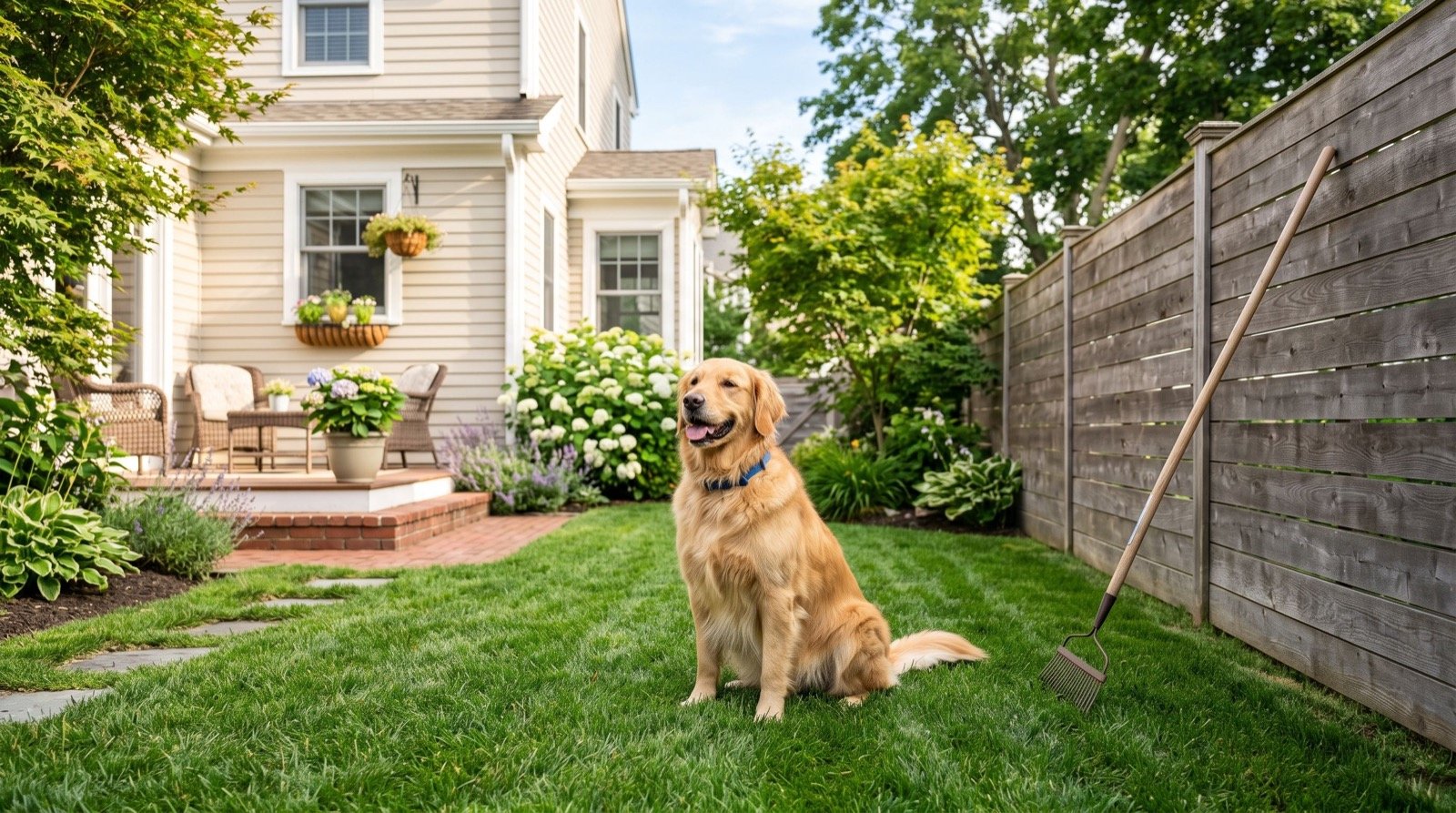
Grass, gravel, concrete, and mulch each demand a slightly different approach. Rake-and-pan sets excel on lawns, jaw-style scoopers grip well on hard surfaces, and bagging scoopers shine on walks where you carry waste out with you.
Types of Pooper Scoopers Compared
Before you buy, it helps to see the main categories side by side. The table below breaks down the four most common pooper scooper styles, what they do best, and where they struggle.
| Type | Best Surface | Reach | Mess Factor |
|---|---|---|---|
| Rake and pan | Grass, mulch | Long handle | Very low |
| Jaw / claw | Concrete, gravel | Long handle | Low |
| Bagging scooper | Walks, parks | Medium | Lowest |
| Spade and pan | Grass, dirt | Long handle | Low |
Most homeowners with a yard do best with a long-handle rake-and-pan or jaw design. Walkers and apartment dwellers lean toward compact bagging scoopers they can carry one-handed.
Features worth paying for
- A handle long enough to stand upright, usually 32 inches or more.
- Rust-resistant metal or heavy-duty reinforced plastic.
- A wide pan or jaw that scoops in one pass.
- A non-slip grip for wet or cold mornings.
- Easy rinse-and-dry construction with no hidden crevices.
How Do You Keep Cleanup Sanitary?
Even the best scooper only does half the job. You still need a reliable way to seal and dispose of waste. Pair your scooper with a sturdy Dog poop bag that will not tear, leak, or stick to your fingers in the process.
Double-bagging is smart during hot weather, when odor escapes faster. Always tie bags tightly and drop them in a covered bin rather than a storm drain. The American Veterinary Medical Association notes that proper disposal reduces the spread of parasites that affect both pets and people (see the AVMA pet owner resources).
A simple daily routine
- Walk the yard each morning before the mess sets.
- Scoop into the pan in a single clean motion.
- Transfer directly into a strong bag.
- Rinse the tool and let it air dry.
This four-step habit takes under five minutes and keeps your yard consistently clean. If you prefer to outsource, many homeowners hire quality service providers who handle regular pickup on a schedule.
Caring for Your Pooper Scooper
A little maintenance stretches the life of your tool for years. Rinse metal parts after each use to prevent corrosion, and check hinges and springs monthly for wear. Store the scooper out of direct sun, since prolonged UV exposure makes plastic brittle over time.
Replace worn rake tines or cracked pans before they fail mid-task. A well-kept pooper scooper can easily last five seasons or more, which makes the small up-front cost one of the best values in pet care.
Pooper Scooper Cost and Long-Term Value
Price is often the first thing shoppers check, but it tells only part of the story. A five-dollar handheld scoop seems like a bargain until it cracks after a month, while a well-built long-handle tool keeps working for years. The real measure is cost per season of reliable use, not the sticker on day one.
Mid-range scoopers in 2026 typically land between fifteen and forty dollars, and that range buys genuine durability. Spending a little more rewards you with rust-resistant metal, stronger hinges, and handles that survive daily outdoor exposure. Think of it as buying out of the chore rather than back into it every few months.
Where your money actually goes
- Handle quality, which determines comfort and lifespan.
- Hinge and spring mechanisms that take the most stress.
- Pan or jaw material, which must resist bending and cracking.
- Grip design, which affects control in wet or cold weather.
- Warranty or replacement-part support from the maker.
There is a hidden cost to cheap tools too. A scooper that smears or drops waste forces you to redo the job, wastes bags, and leaves residue that still harms your lawn. Quality gear pays for itself in saved time, fewer bags, and a healthier yard. When you factor in how often you use the tool, the better scooper is almost always the smarter buy.
Consider your household’s volume as well. A single small dog may do fine with a modest tool, while an active large breed or a two-dog home justifies stepping up to a heavier, wider model. Matching the purchase to your real usage prevents both overspending and the frustration of an underbuilt tool.
Frequently Asked Questions
What is the best pooper scooper for a large yard?
A long-handle rake-and-pan set is usually best for big grassy yards because it covers ground fast, keeps you upright, and scoops cleanly in a single pass.
How often should I scoop dog waste?
Aim for daily pickup. Daily scooping prevents lawn damage, cuts odor, and limits the bacteria and parasites that build up when waste sits for several days.
Can I compost dog waste?
Not in a standard garden compost. Dog waste can carry pathogens that survive home composting, so bag it and dispose of it in the trash unless you use a dedicated pet-waste digester.
Is a metal or plastic pooper scooper better?
Metal resists bending and lasts longer on hard surfaces, while reinforced plastic is lighter and easier to rinse. Choose based on your surface and how much reach you need.
Final Thoughts
The right pooper scooper turns a dreaded chore into a quick, clean habit. Match the style to your surface, choose durable materials, and pair it with strong bags and a simple daily routine. Do that, and you will keep your yard fresh and your dog’s space healthy all year in 2026. Ready to upgrade your cleanup kit? Pick a dependable scooper and bag set today and make dog waste one less thing you think about.